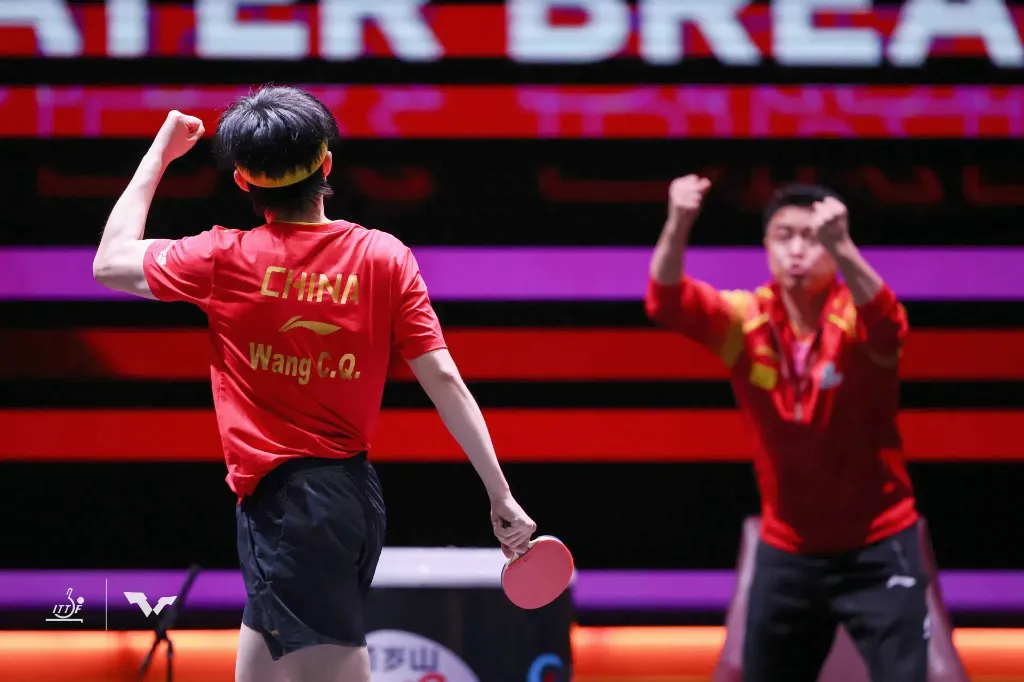
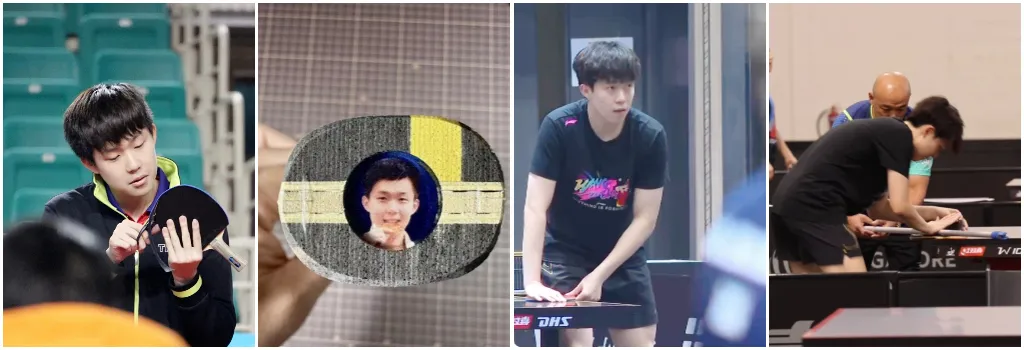
For a long time, table tennis has been treated as a light sport. Fast, technical, elegant, and precise, but physically modest when set beside strength or endurance disciplines. One player who is challenging these perceptions is wang chuqin, whose athletic ability and powerful style have made many rethink the sport’s demands.
However, the modern game operates under conditions fundamentally different from those that shaped earlier generations. Dense competition calendars, frequent intercontinental travel, ranking-driven pressure, and multi-event participation stack into the sustained load. That produces structural fatigue, a gradual erosion of precision, clarity, and resilience under continuous demand.
Wang Chuqin stands at the center of this reality.
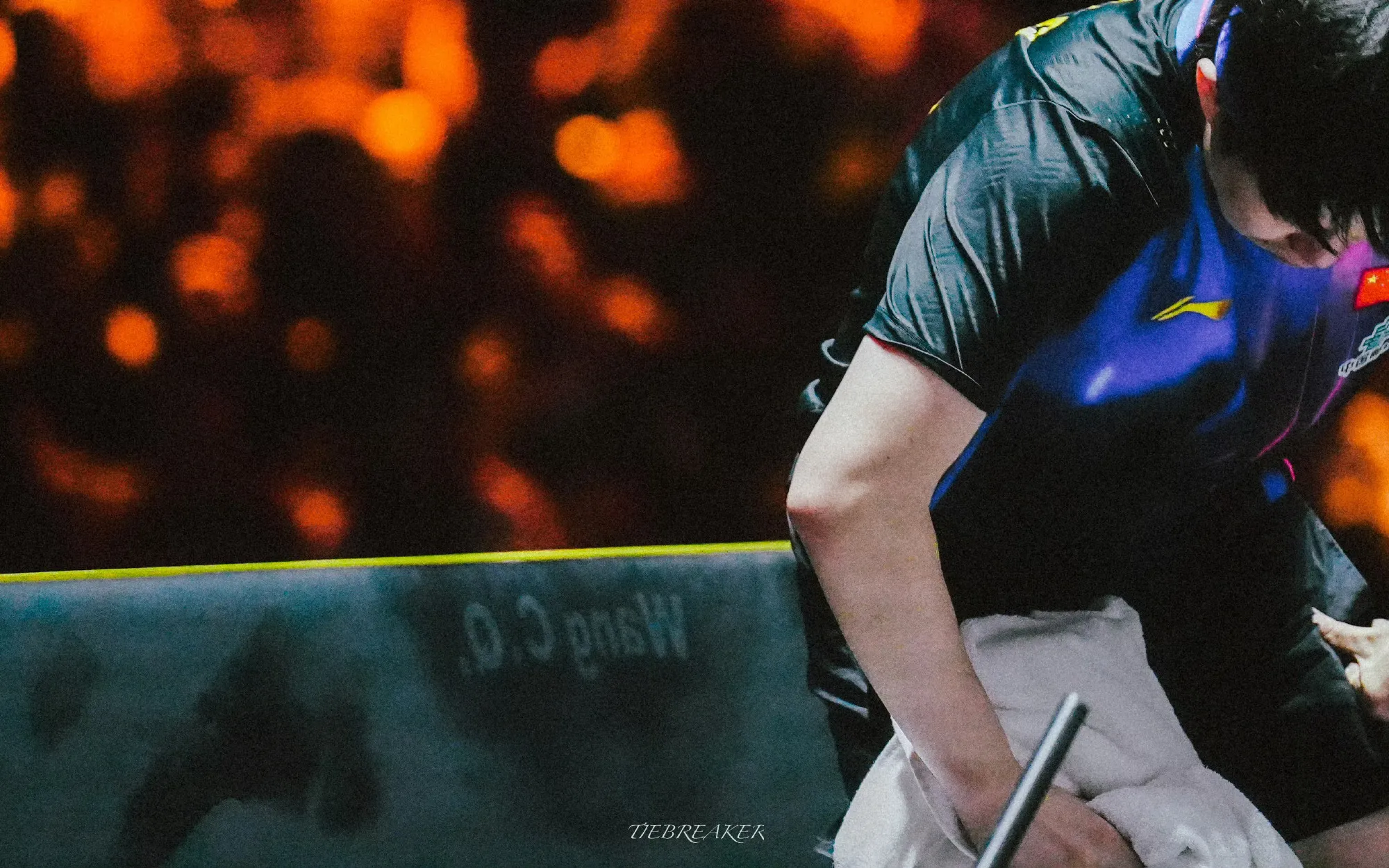
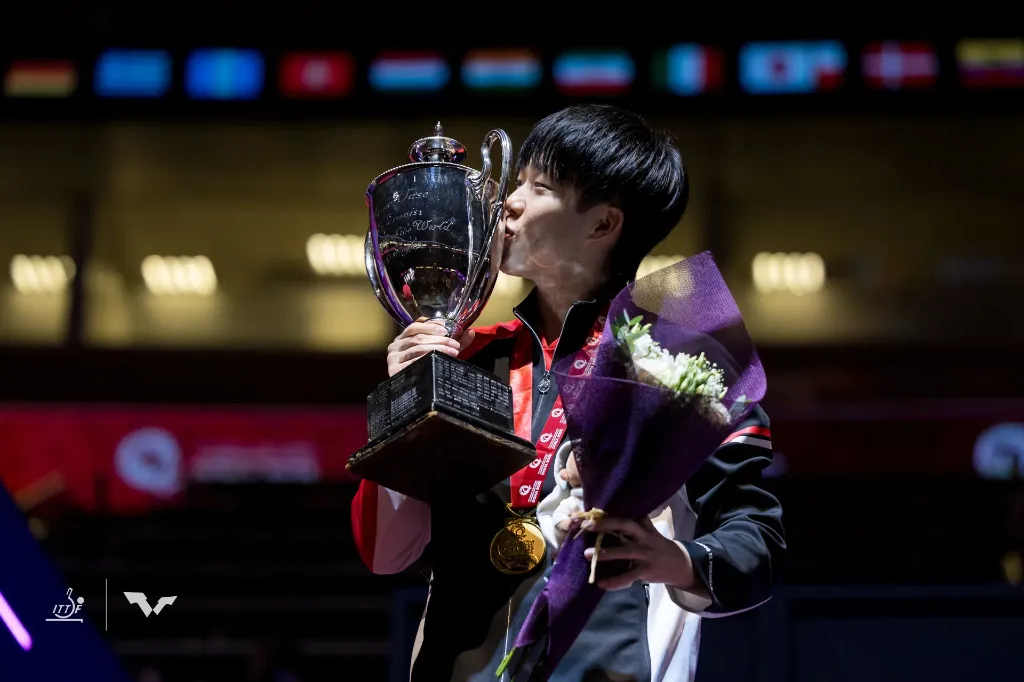
His run through China Smash and WTT Finals made the hidden cost difficult to ignore. He dragged himself from event to event, from match to match, clearly running on empty, both physically and mentally. The performances were widely praised for resilience and willpower, but what lay beneath?
Whether the overload came from team expectations or from Wang’s own drive matters far less than how completely it was normalized. Strain was framed as honor, obscuring deeper structural problems not only within the Chinese system, but across modern table tennis as an industry that has failed to keep pace with its own demands.