Flying from the East Coast to Vegas in July isn’t wild. But spending a whole week there just to watch table tennis? Yeah, try explaining that to your friends.
Ngl, I didn’t expect much from the US Smash. Vegas was cooking at 110°, the venue looked straight out of 2004, and the energy felt… TBD. 🤣 It just didn’t seem like the kind of event where players go all out. Especially with Wang Chuqin, who was fresh off another world title in May. I figured he’d either pull out or just coast through it.
But nah. Tell me who lit up the court! Once again, our lionheart 🦁 surprised us.
I’m not gonna break down Wang’s matches play by play. Honestly, once I got into the arena, I was too caught up in the atmosphere to focus on the details. I just write whatever comes to mind, and if it’s a little chaotic, don’t mind me.
Live Vibes > Livestream
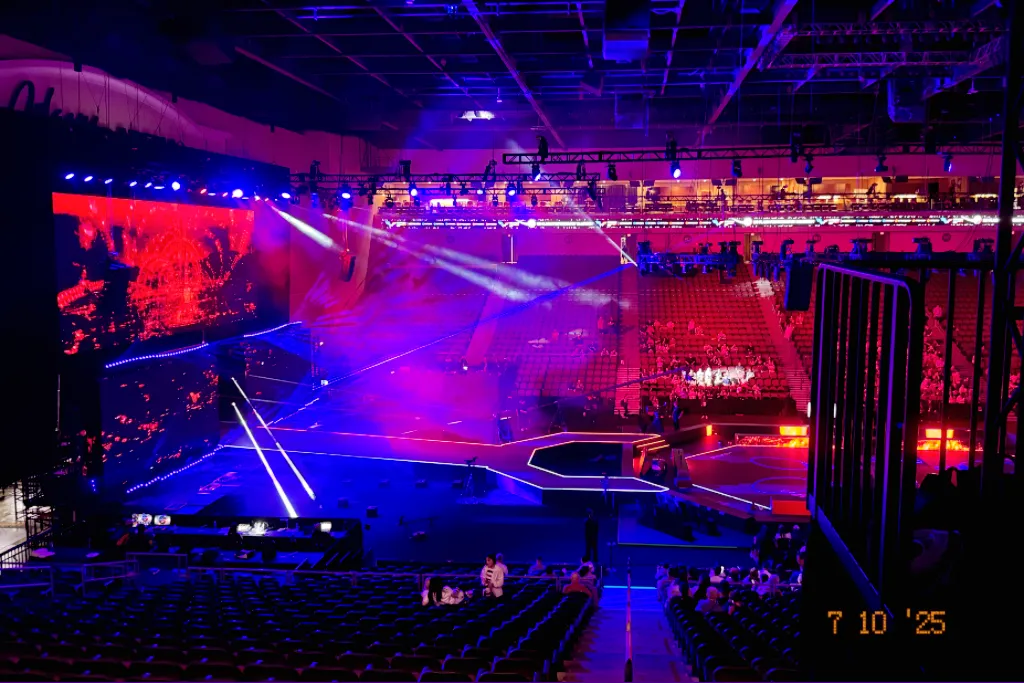
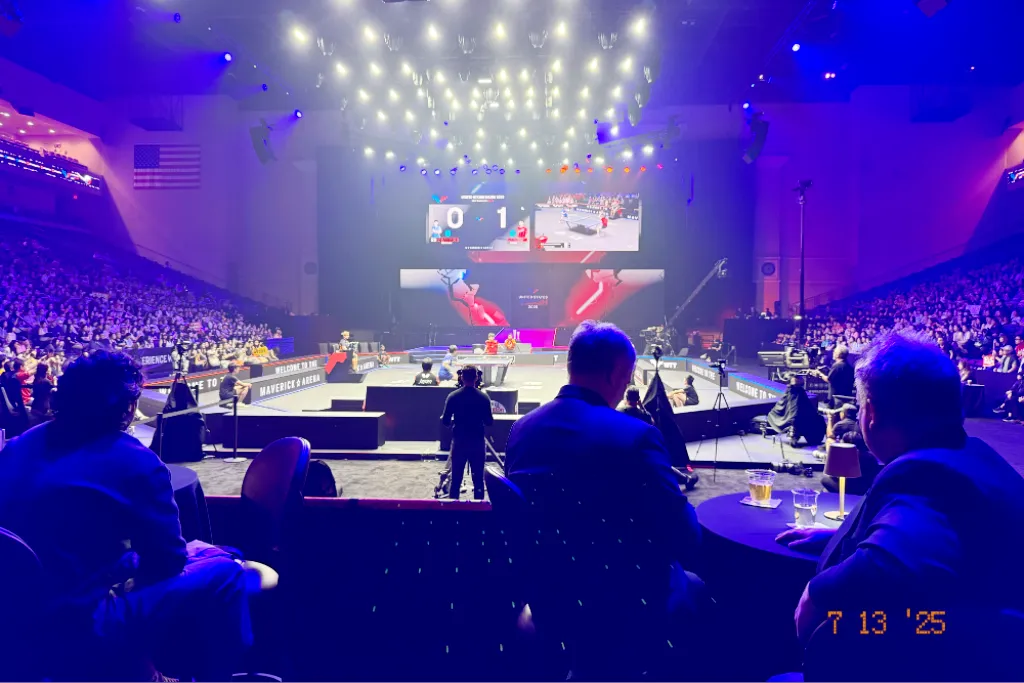
The moment I walked into the table tennis arena, I knew watching live just hit different. The game was way faster, sharper, and more intense. I couldn’t even catch every ball, even though I had solid seats, like courtside or just a few rows back, with the broadcast-like angle.
The crowd added an entirely new level. The energy was electric, especially with the Chinese chants like “Wang Chuqin, Jiayou!” bouncing off the walls. The diehard fans shared with me banners, fan-made merch, and stories between points, as if we’d known each other for years. It felt warm, welcoming, and way more alive than I expected.
However, there was one thing nobody prepped me for: the camera flash drama. Every match, and every few serves, someone’s flash would go off. Super annoying. But then someone in the crowd would yell “FLASH!” mid-point like a hall monitor with a megaphone. That’s something you probably wouldn’t notice from the livestream, but in person, it was hard to ignore. They weren’t wrong, but their shouting ended up distracting the players more than the flash itself.
Wang Chuqin seemed especially affected. Whether he was serving or not, he almost always lost the point after one of those interruptions. It turned into a weird cycle where the “good Samaritans” meant well but ended up causing more trouble. 🤦♀️ And it kept happening.
The real issue was that WTT staff did nothing to manage it. No one from the event stepped in. Once in a while, the player or umpire would call it out, but that was it. So the crowd took matters into their own hands, but it backfired more than once.
Not Quite the American Sports Vibe
Growing up in New York, I’ve been surrounded by major league sports. I’m a huge NY Rangers 🏒 fan, my family’s split between the Yankees and Mets ⚾, and I’ve been watching Knicks 🏀 games since high school. I honestly don’t even remember what it felt like walking into those arenas for the first time. It was just part of life. But my first in-person table tennis experience was nothing like any of that.
The chants at US Smash were super minimal. I only stayed for Wang’s matches, and the main ones I heard were just “Jiayou!” and “Let’s go!” on loop. No clever or creative energy like you’d hear at a Knicks game. I guess that’s part of the Chinese tradition, but it still felt a little plain.
The crowd was also a whole different vibe. I’ve never seen that many young Asian women at a sports event, not even when Jeremy Lin was lighting up MSG. (Anyone else remember Linsanity?) Everything felt softer and more polite. And honestly, it was pretty clear a lot of people were there just as much for Wang’s charm and cuteness as for his performance. No shade though. I was absolutely one of them. 🫶
WTT Mess and Ticket Puzzle
The choice of venue made things harder than they needed to be.
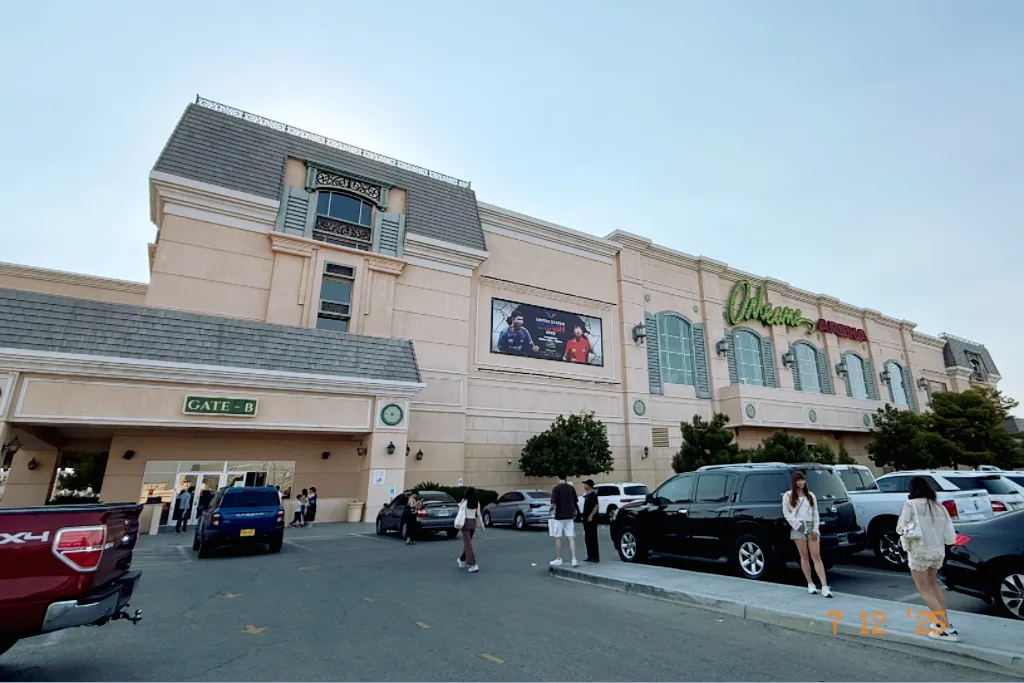
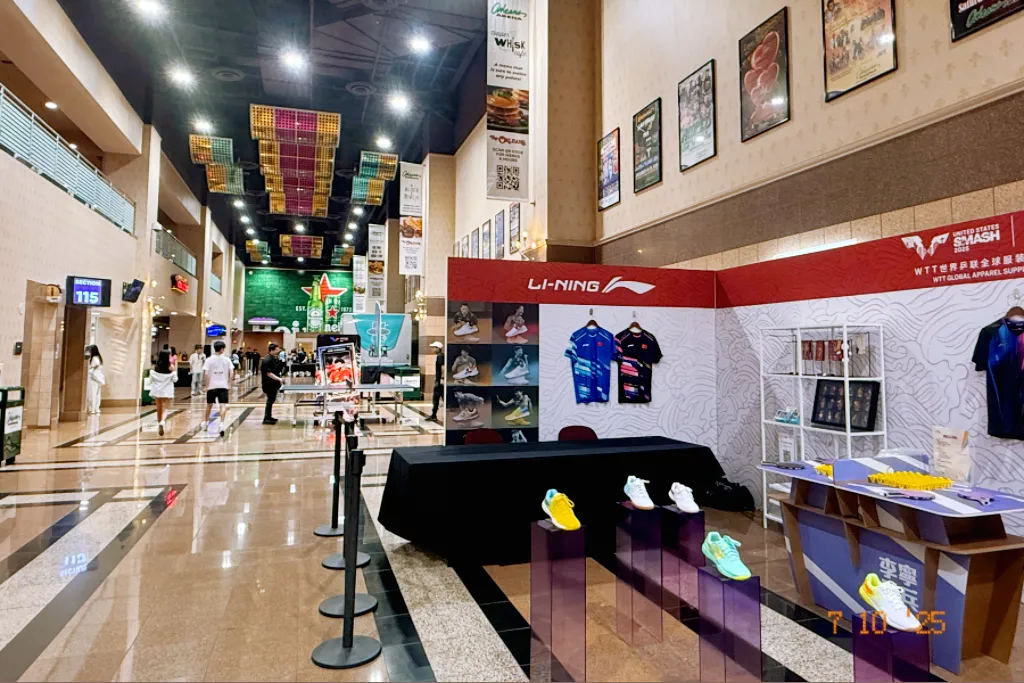
The Orleans Arena itself was fine. Old-school, not a major stadium, but functional. The real problem was everything around it. There was barely any promotion. No signage, no flags, no decorations. The promised “Smash Park” and entertainment setup never appeared.
Navigating the venue was a hassle. There were no directional signs posted anywhere. On my first day, I got turned away at two separate entrances and ended up wandering in the heat for nonsense and sweating for 15mins before finally finding the right gate. And I had a VIP ticket. 🙄
On top of that, WTT set up a huge temporary tent in the parking lot for early-round matches, instead of using the MGM Grand conference center like they originally advertised. Inside, it featured three match tables and a separate training area. Seats weren’t assigned, but I actually kind of liked it since the chairs were right by the court, just behind the coaches. Still, it wasn’t what you’d expect from something calling itself a “world-class” event.
WTT also didn’t open the training area to fans, even though they had promised access with the add-on tickets. There wasn’t even a training livestream like in past WTT Smash or Champions events. 😠 I’d been looking forward to that, so it ended up being a pretty big letdown.
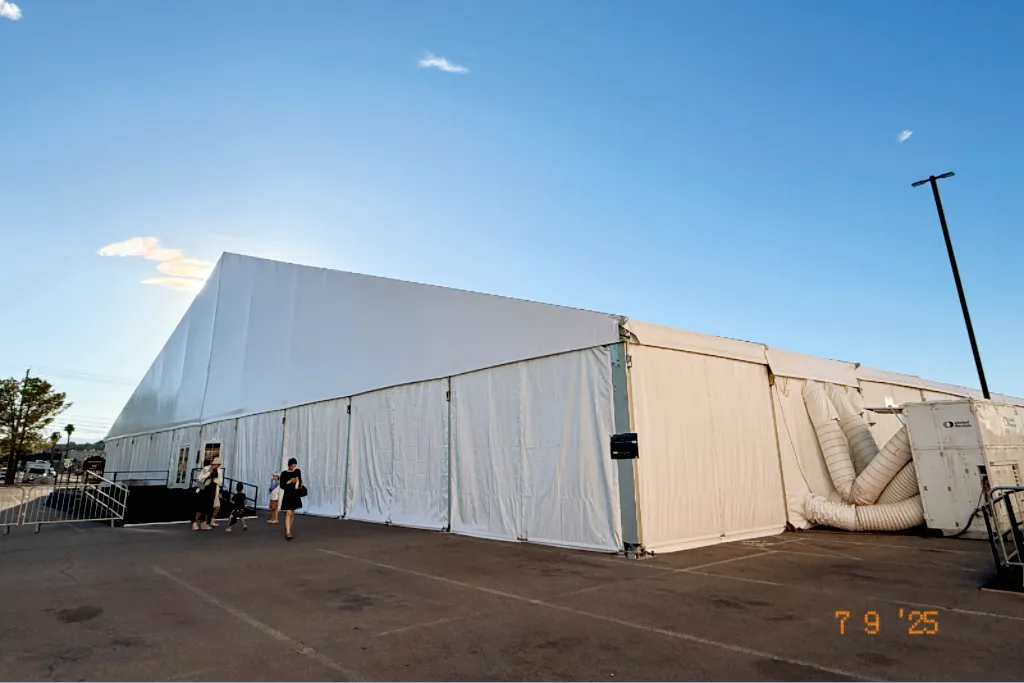
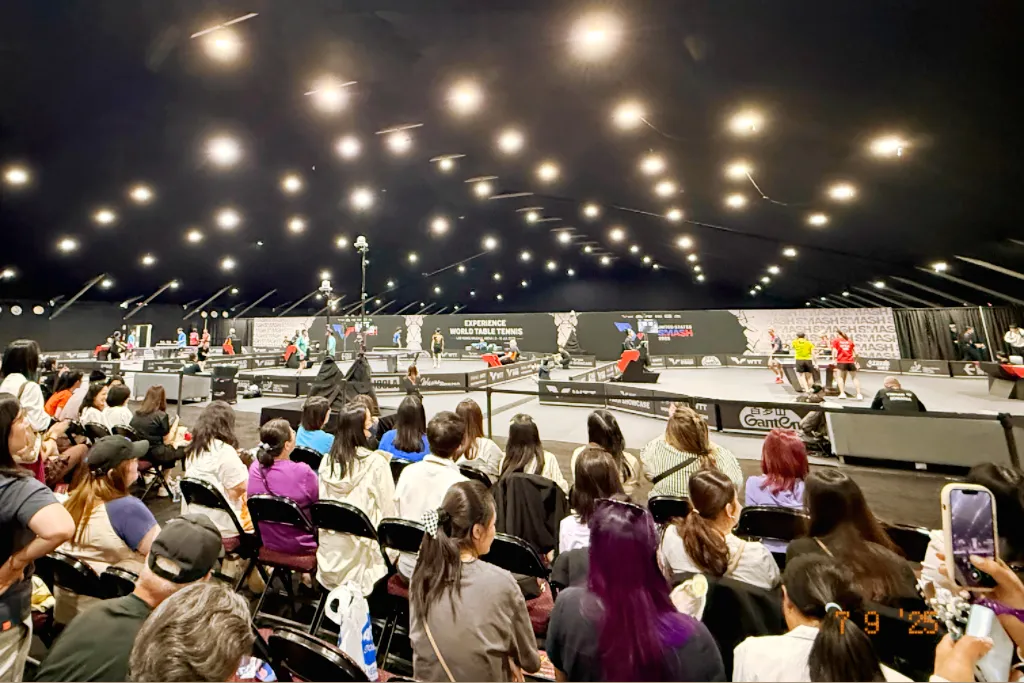
Ticketing for the US Smash was confusing. Unlike typical league games that feature one clear matchup per night, table tennis runs on a tournament-style schedule, with sessions and multiple matches across different courts.
Tickets went on sale two months before the event, way before the player lineup was even confirmed. Since I only follow Wang’s matches, I didn’t want to buy blindly and risk paying for sessions I didn’t care about. I started digging through past Smash schedules, cross-checking with veteran fans, and basically guessing my way through. From what I found, Wang’s singles matches usually fell during the night sessions on the 1st, 3rd and 5th days of the main draw, plus night sessions later in the Smash events.
Thankfully, I guessed right. Wang made it all the way to the final day, and I didn’t waste a single ticket. 😆🏆🎉
The pricing, though, was kinda weird. Since table tennis is still a pretty niche sport in the US, I agreed with many people who felt the US Smash ticket prices were over the top. In Vegas, a spot in the tent for Wang’s doubles match ran about $50. Regular seats in the main arena went from $120 to $150. Courtside or VIP could climb to about $ 600. None of them even counted service fees.
To be fair, those numbers are about what you’d pay for a mid-season NBA or NHL game. And honestly, platinum seats at the US Smash were still cheaper than courtside in the NBA or glass-level in the NHL. But table tennis in the US isn’t the NBA or NHL. You’ve got to know your lane.
Like most things in the sports business, of course, the pricing follows demand. As long as people are willing to pay, prices stay high, even if it locks some fans out. That’s just how things work in a capitalist system. Still, WTT could’ve done a better job offering a broader range of ticket options. Affordable seats for casual fans would’ve gone a long way, and premium seating could’ve actually come with real perks for those paying more.
At this stage, it feels like WTT is more focused on squeezing its current niche fanbase than growing the sport. When it comes to marketing and branding, the effort felt surface-level at best. The only real attempt I saw was in the visuals. Some graphics and illustrations were updated to match the event’s location. For example, Wang’s intro video at the US Smash had an American-style flair that honestly impressed me. Clearly, WTT’s media team is trying, but overall, it came off as cosmetic more than meaningful.
Nice packaging can’t cover up clunky organization, weak coordination, or half-baked promotion. What the sport really needs is solid investment in infrastructure, in community, in strategy, and in a long-term vision that actually leads somewhere.
✏️ I do have some personal (and maybe a little weird) thoughts about the table tennis world and how the authorities run it. Might share them someday… if I can find a way not to sound too salty.
Off the Court: Real-Life Moments
Staying at the MGM Grand turned out to be a smart move. It was the official hotel for WTT, so I kept bumping into players and staff around the common area.
In person, most of the players looked like regular college kids. Quiet, low-key, dressed in basic tees and sweats, giving shy nods, walking around like a nerdy study group. The livestream makes them look much bigger than they actually are. All the female players looked younger and even more adorable in real life. And even Liang Jingkun, nicknamed “big fatty,” didn’t seem fat at all. Just a little thicker than Wang Chuqin when they stood side by side. Wang’s clearly gotten more muscular lately, but in person, he still looked pretty lean. And no, he doesn’t have a “big head”! Lol.
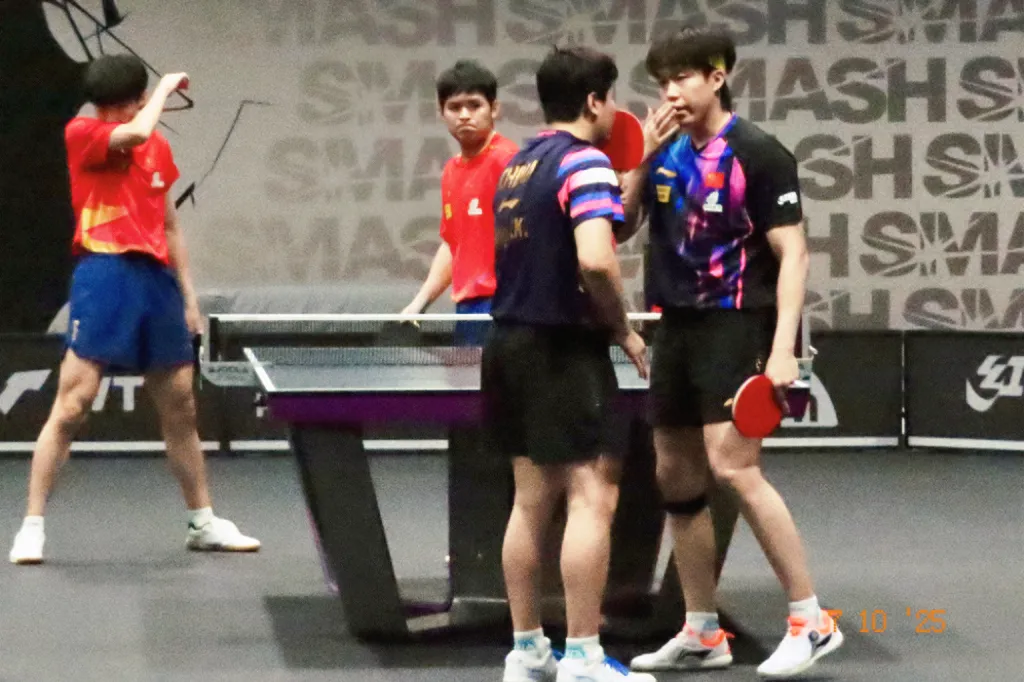
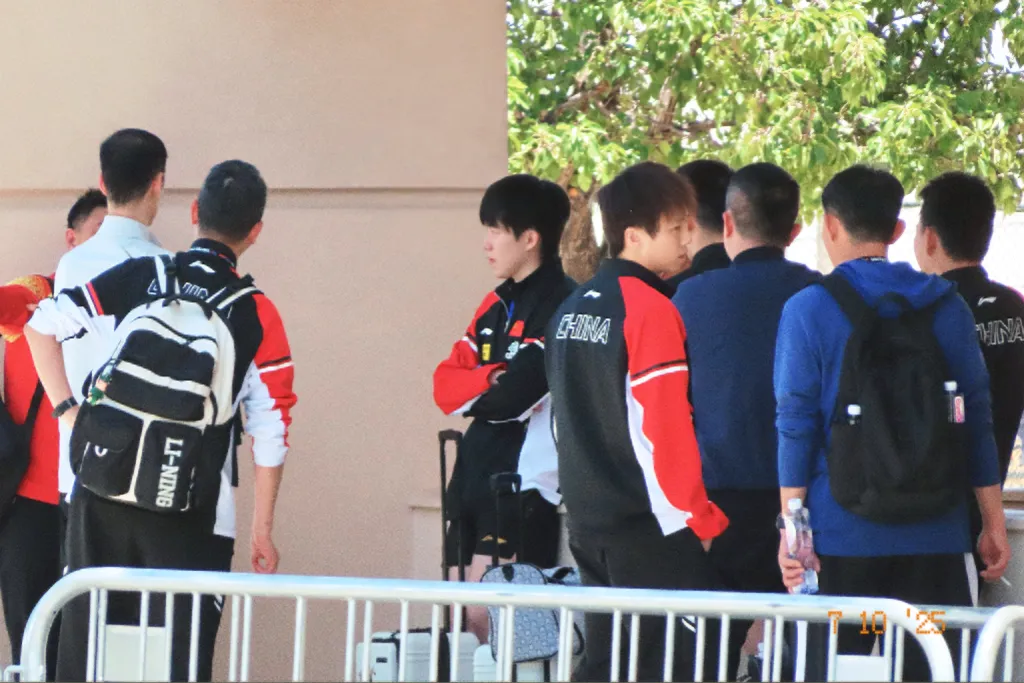
Coming from the fashion industry, I’m used to being around celebs, models, and influencers who carry a certain presence, even off stage. The same goes for athletes. You can usually tell who they are just by how they carry themselves. But with table tennis players, it’s more like, “Oh hey, that’s my nerdy classmate.” Lolll.
Until they hit the court. Then it’s like, whoa.
One of the best parts of the trip was meeting other Wang fans from around the world. Most were based in the US or Europe. We bonded fast, shared match info, helped each other figure out schedules, and spilled CTTA tea deep into the night. You wouldn’t believe how many stories came out of those midnight chats!! Wild world!
I’m not usually into cute cartoon stuff, but the fan-made gifts I got from them were really special and well-crafted. A limited edition “Hopetopia Passport”, the rally towels I’d seen at past events, pins, chains, stickers, and even a vintage paper sign from Wang’s teenage years. You could tell how much care and love went into everything.
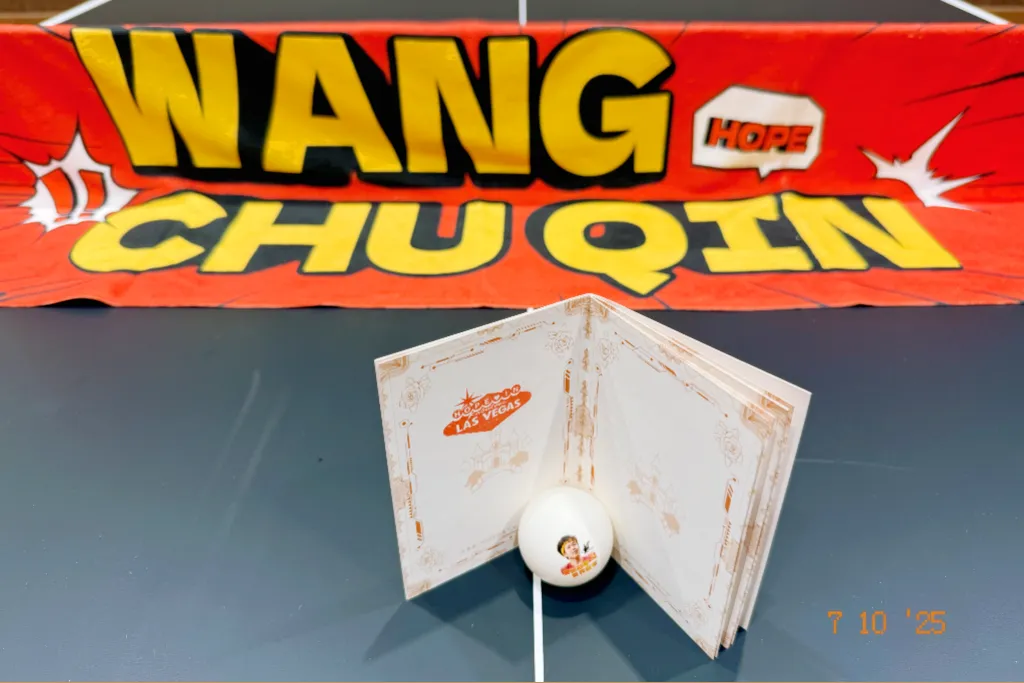
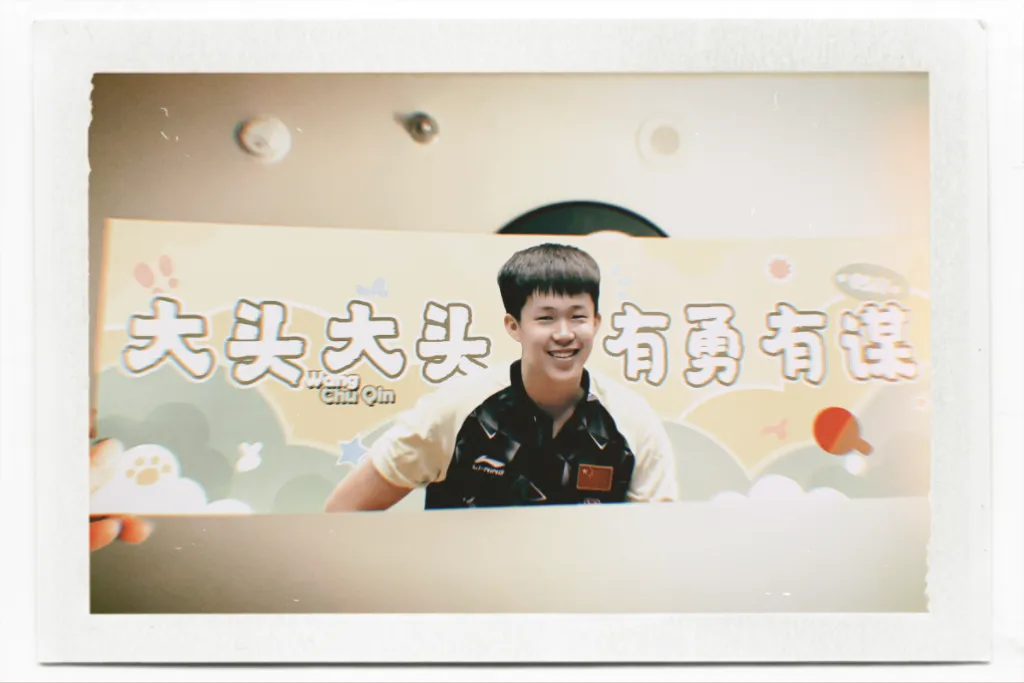
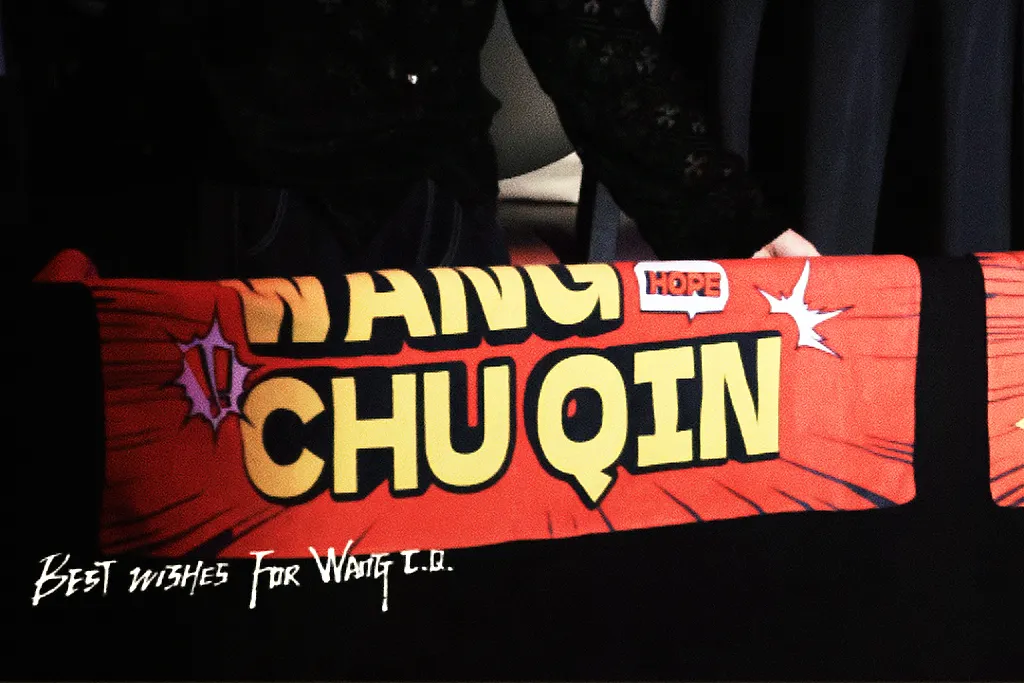
I came home with all those little treasures and a full heart. Who knew chasing a table tennis crush to Vegas would lead to a one-of-a-kind match experience, ping pong gossip, and a whole crew of fan-friends? And did I mention I got Wang to AUTOGRAPH the “Hopetopia Passport”? Already counting down to the next time. 🫶
Leave a Reply